‘This Feeling Of Freedom’ – Nadaka Yoshinari Traces The Thai Roots Of His 43-Fight Winning Streak
The ONE Atomweight Muay Thai World Champion reflects on his formative years fighting in rural Thailand.
By Chris Mohan
Nov 1, 2026, 02:15 UTC

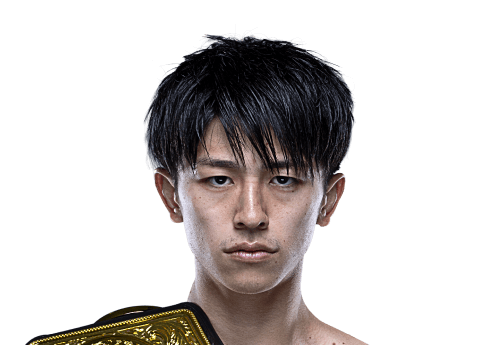
Reigning ONE Atomweight Muay Thai World Champion Nadaka Yoshinari makes dominance look entirely routine. The roots of that supreme poise, however, lie far from Tokyo, forged in a Thai ring where a determined schoolboy took his first steps toward greatness.
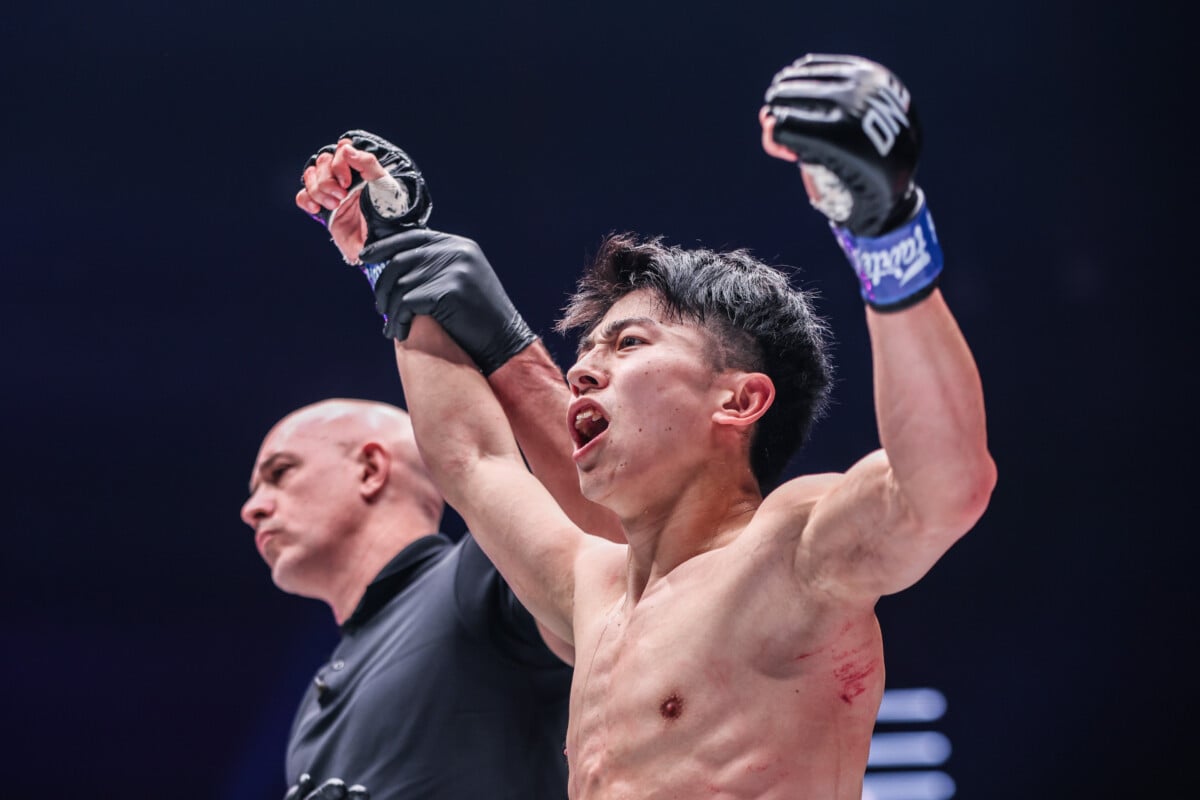
The Japanese martial artist retained his crown in the ONE SAMURAI 4 co-main event on Saturday, October 17, finishing Rifdean “Magic Boy” Masdor with a stunning left head kick inside Ariake Arena. The victory extended his unbeaten streak to 43 fights dating back to July 2019 and earned him a US$100,000 performance bonus.
That level of execution took years to hone, beginning when a fifth-grade Nadaka left Japan for the birthplace of Muay Thai at the suggestion of his mentor, Eiwa Sports Gym Chairman Natsuo Nakagawa.
He traveled to see the sport at its source, and his very first matchup remains a vivid memory.
Nadaka told onefc.com:
“Even though I was nervous, I was junior champion at the time, so I figured I’d be fine. It wasn’t that easy, though. I got worked and eventually lost. It hurt. The guy was strong.
“There were parts that scared me for sure, but I still loved it. That was my first fight without headgear, no protection at all, and there was this feeling of freedom in that – it felt incredibly fun.”
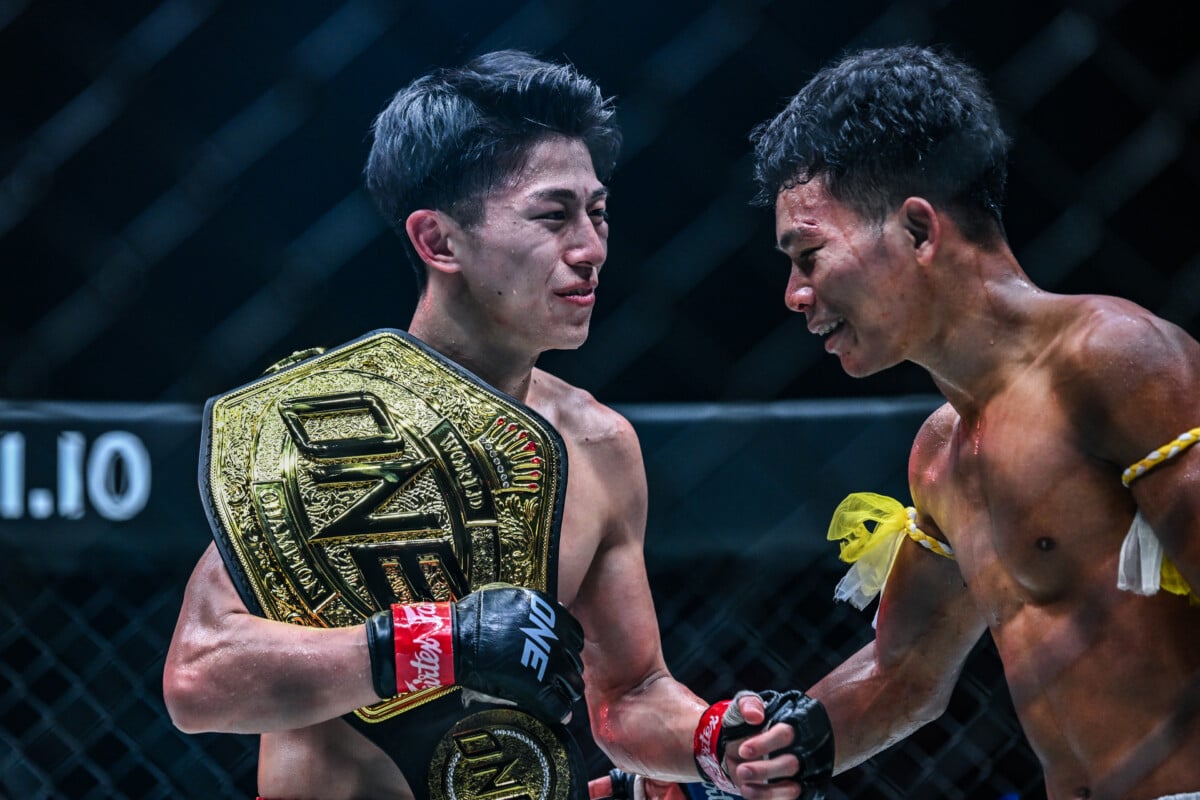
The defeat stung, but it fundamentally changed his trajectory. Back home, he was a decorated junior champion. In Thailand, he was merely a visitor navigating a completely different world.
Everything from the stadium atmosphere to the raw intensity of the battles revealed how much more the sport had to offer. Nadaka returned to Japan with an entirely new standard for “the art of eight limbs.”
The 25-year-old recalled:
“After that, fighting in Japan with headgear and other protections as a junior just didn’t feel right anymore. But once I’d had that experience in Thailand, I think I went on a pretty long win streak back in Japan.
“I was shocked they could even fight without shin guards in that environment, and honestly I just found the technique side – clinching the neck, grabbing your opponent’s kick foot, breaking their balance – so much deeper and more interesting.”
The transformation extended beyond his own technical game. Those early trips opened his eyes to the harsh realities faced by the fighters standing beside him on the cards.
For many young Thai warriors, stepping into the ring served as the sole means to support their families. That stark reality left a profound impression on a boy from Kanagawa who was still discovering his own purpose in the sport.
Nadaka saw something that went far beyond Muay Thai itself.
He added:
“Watching fighters my own age fighting as their actual job…kids taking small purses and handing that money straight to their parents…being able to see that at such a young age is one of the best things I could’ve been given for life.
“My parents came with me the first time I went overseas, but from around the third trip I started going alone with the coaches, and a few times I went completely by myself. Getting to go through all that really was a genuine asset for me.”
Rural Thailand Taught Nadaka To Expect The Unexpected
Thailand gave Nadaka Yoshinari more than a shifted perspective. It taught him how to adapt on the fly.
Not every ring in the country operated on the same schedule. Bangkok’s famous stadiums — where he would later capture historic gold at both Rajadamnern and Lumpinee — kept a strict rhythm, while the rural provinces marched to a much more unpredictable beat.
He met the countryside first, and the contrast between the two taught him lessons of a highly practical kind.
Nadaka continued:
“The level was obviously high across different venues in Thailand. But what really surprised me was the difference, like when you fought in Lumpinee or other stadiums, the card’s set in advance and you build toward it. But out in rural Thailand, they’ll just decide matchups on the day, based on whoever’s shown up to the venue.”
The improvisation extended far beyond matchmaking. Some days, Nadaka arrived at a dusty venue with absolutely no plan to compete, only for promoters to ask if he could step in. A match would materialize within moments.
He admits the sheer unpredictability was the hardest element to adjust to, but it paid immense dividends. Learning to stay ready at a moment’s notice shaped the unflappable Eiwa Sports Gym megastar who commands the global stage today.
The ONE Atomweight Muay Thai World Champion added:
“[It was tricky], for sure. My opponent would even change on the day sometimes. You’d be told you’re fighting one guy, then climb in the ring, and it’s a completely different person.
“That happened a lot. But I think it gave me the ability to pick up [the skills] to not get thrown off by anything inside the ring.”
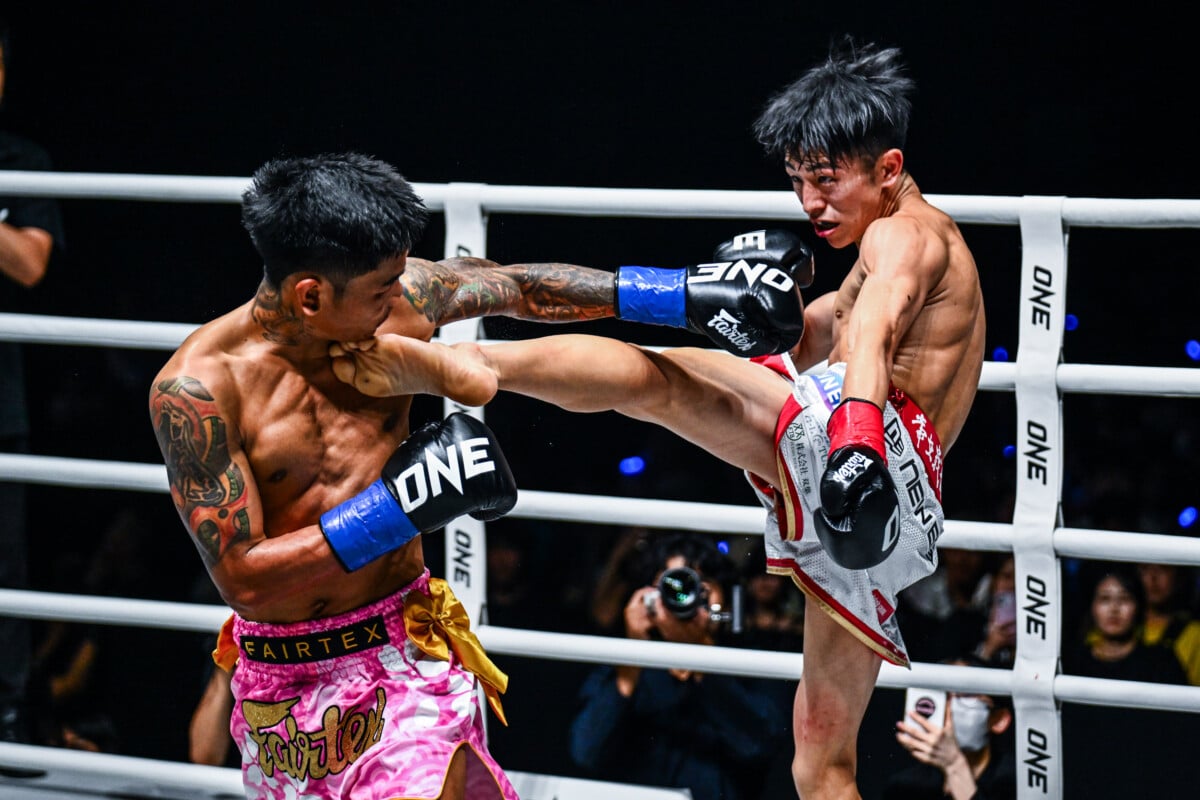
Years later, inside Tokyo’s Ariake Arena, that deeply ingrained lesson was on full display. Rifdean Masdor arrived as a highly dangerous challenger riding a five-fight winning streak, and an early spinning backfist actually clipped Nadaka in round one. The defending champion immediately returned fire with a heavy left hook that dropped the Malaysian for an eight-count.
In the second frame, Rifdean went back to the exact same well. This time, the 25-year-old had the timing perfectly measured. He smoothly stepped off the centerline and unleashed a left head kick that instantly finished the job.
From that formative childhood defeat to his latest masterpiece — it traces back to a rural Thai ring, a feeling of freedom, and an unbreakable calm that took a lifetime to build.
Related Athletes
Learn more about the athletes featured in this article.